
Why We Love Wind River Microbes!
Real Results. Proven in the Field.
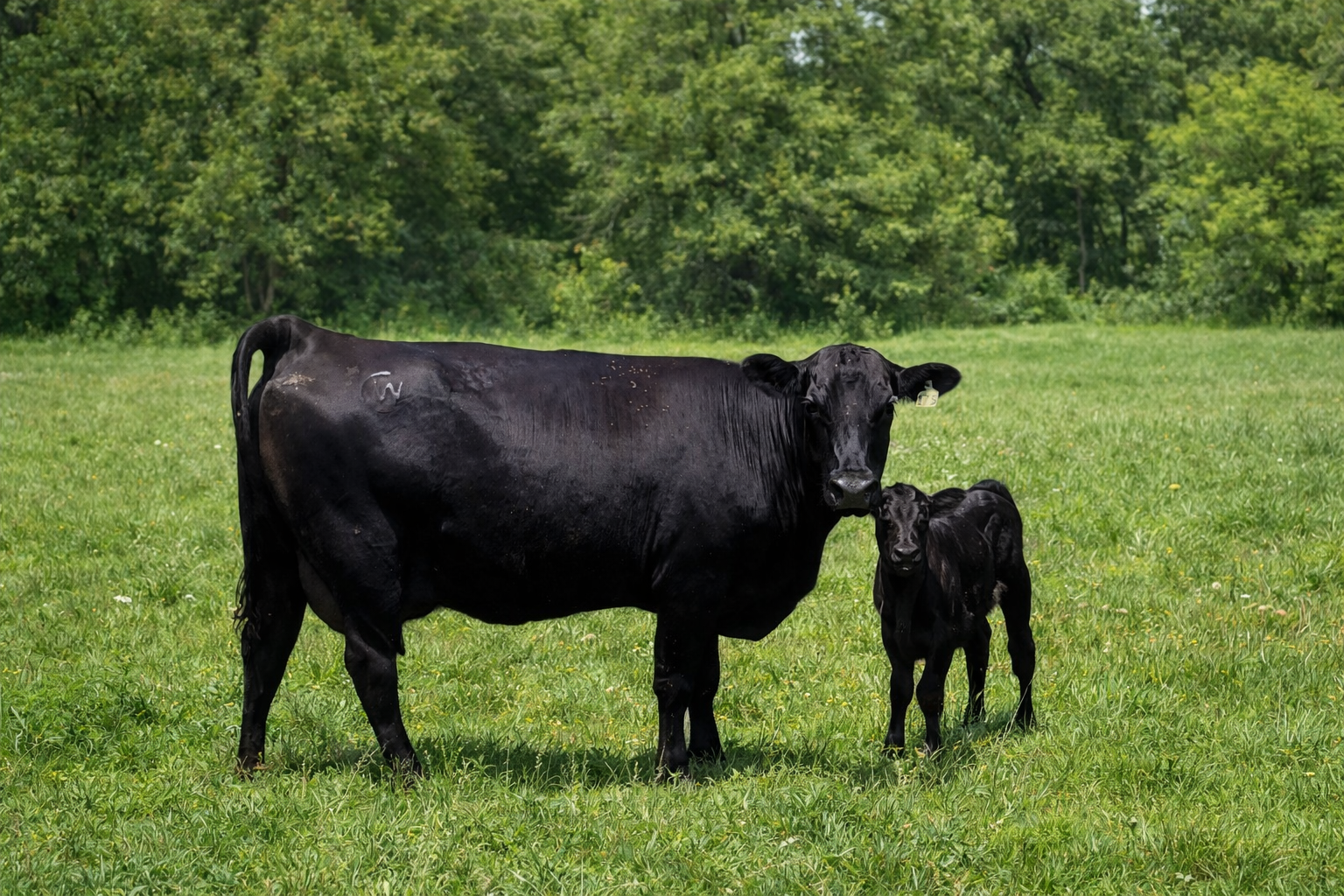
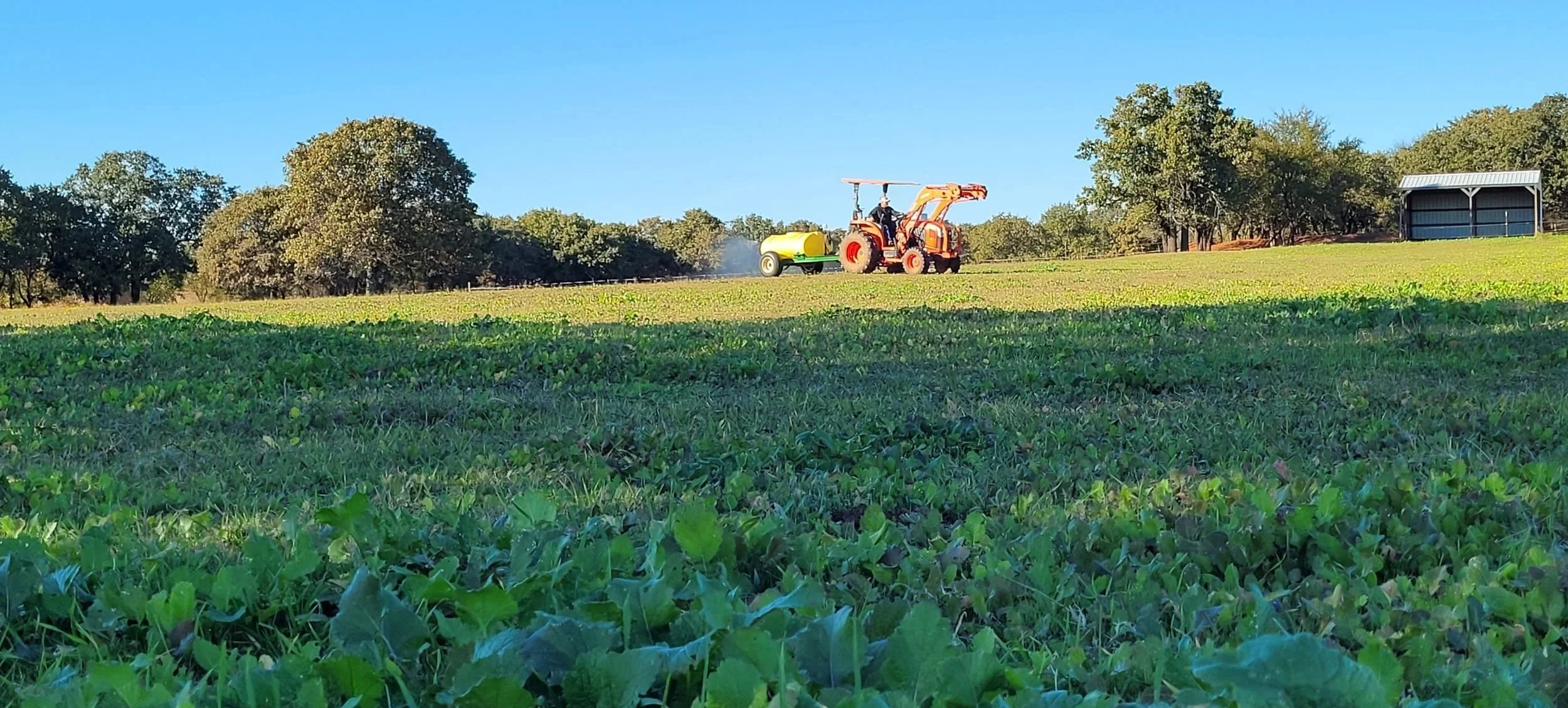
Successful regenerative implementation is measured by performance, not theory. The testimonials below represent real-world application across soil systems of every scale — from home gardens and flowers to row crops, pasture, hay ground, and tree crops. They include experiences from horse programs, cattle operations, and small animal care, all applying biological systems to strengthen soil function and livestock performance. While each operation is unique, the consistent outcome is clear: when soil biology is supported, productivity, resilience, and overall system balance improve.
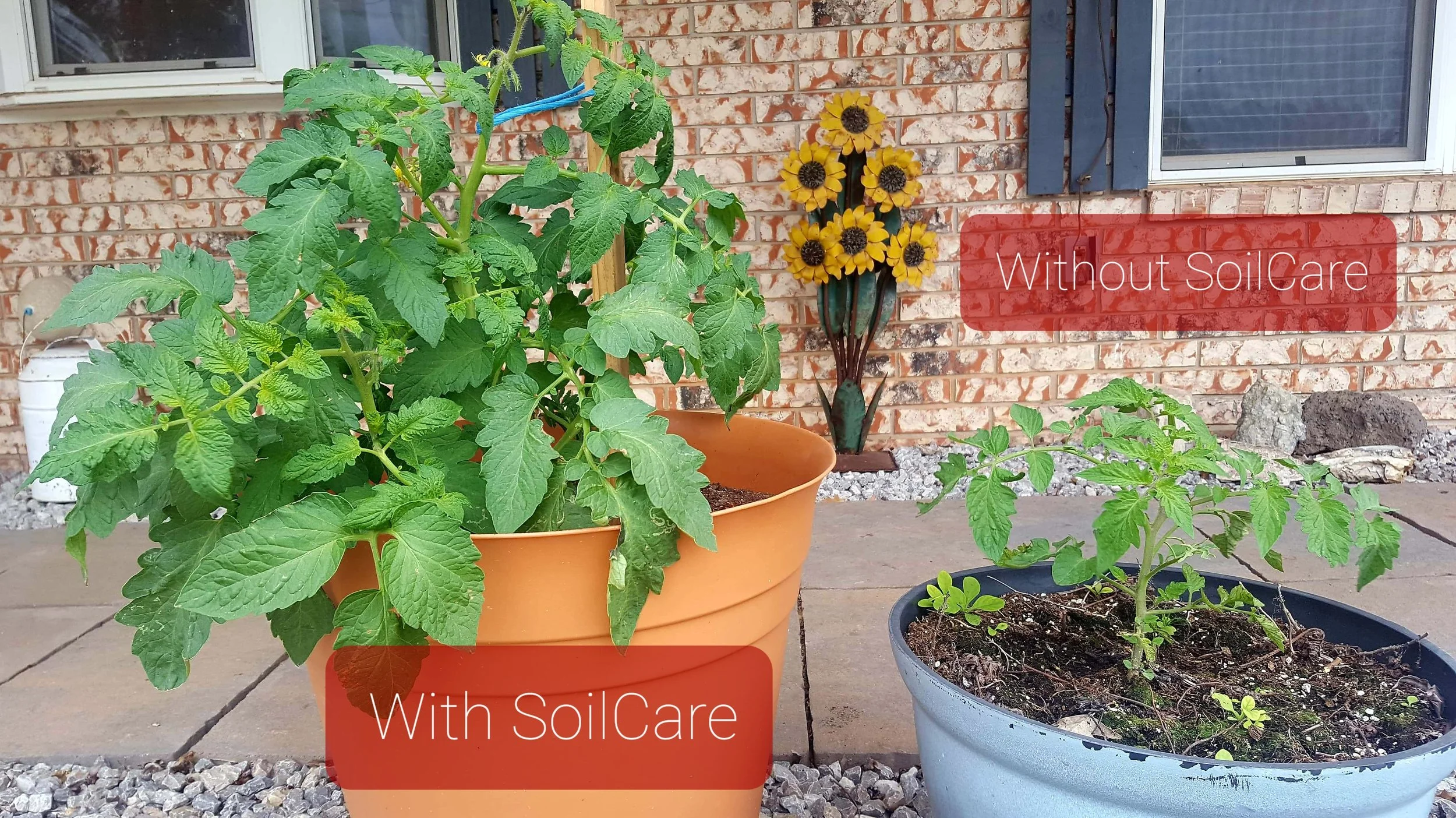
Both tomato plants were started from seed at the same time and grown under similar conditions. The plant on the left received an application of SoilCare Formula to the soil, while the plant on the right did not. Over the growing period, the treated plant demonstrated noticeably stronger growth and development. Supporting active soil biology through SoilCare appears to have enhanced root function and nutrient availability, resulting in improved plant vigor compared to the untreated plant.
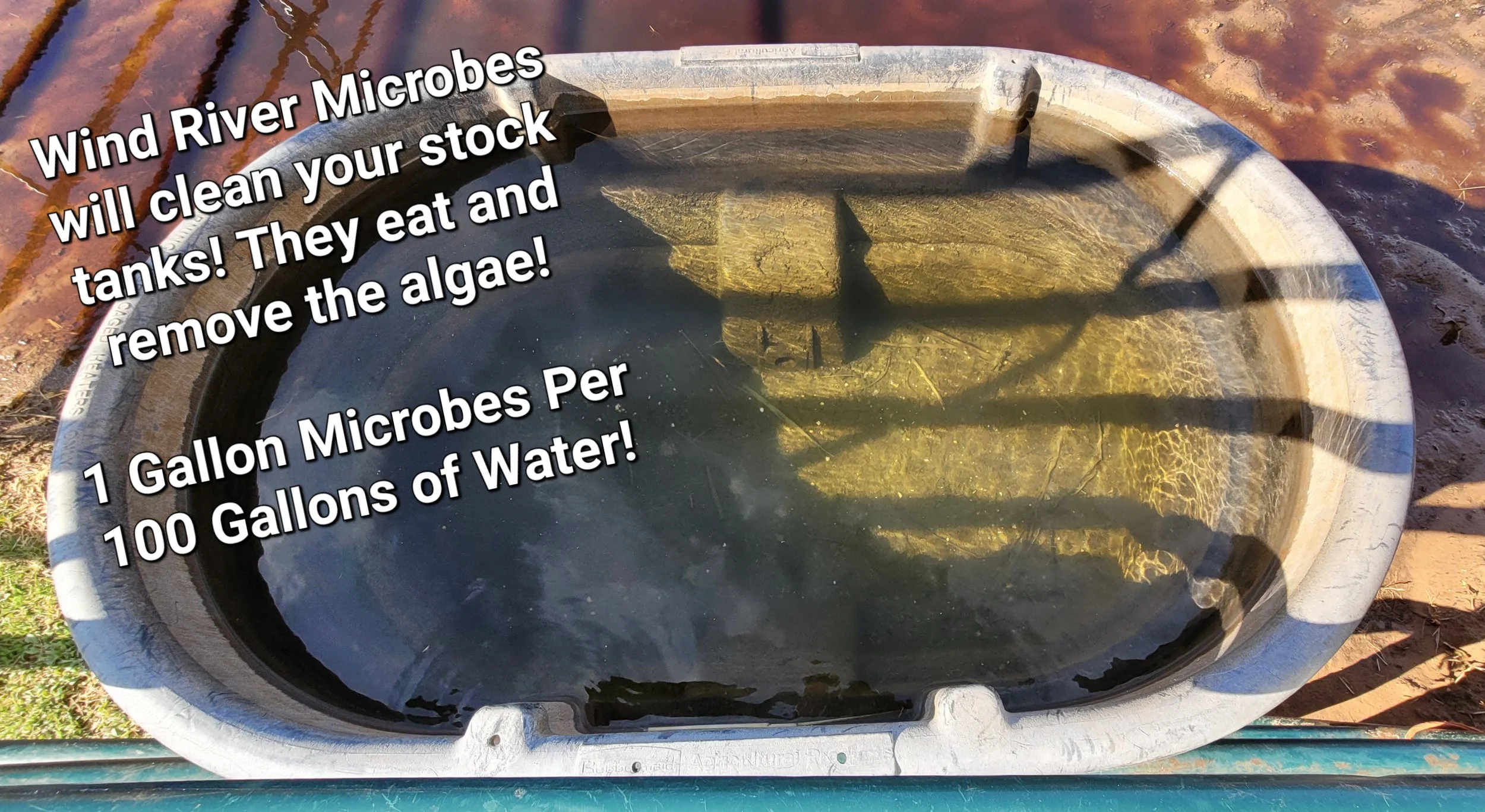
After adding Balancer2 to our stock tank, we observed a noticeable reduction in algae and improved water clarity. Supporting biological balance in the tank has helped us maintain cleaner water for our livestock without relying on chemical treatments.
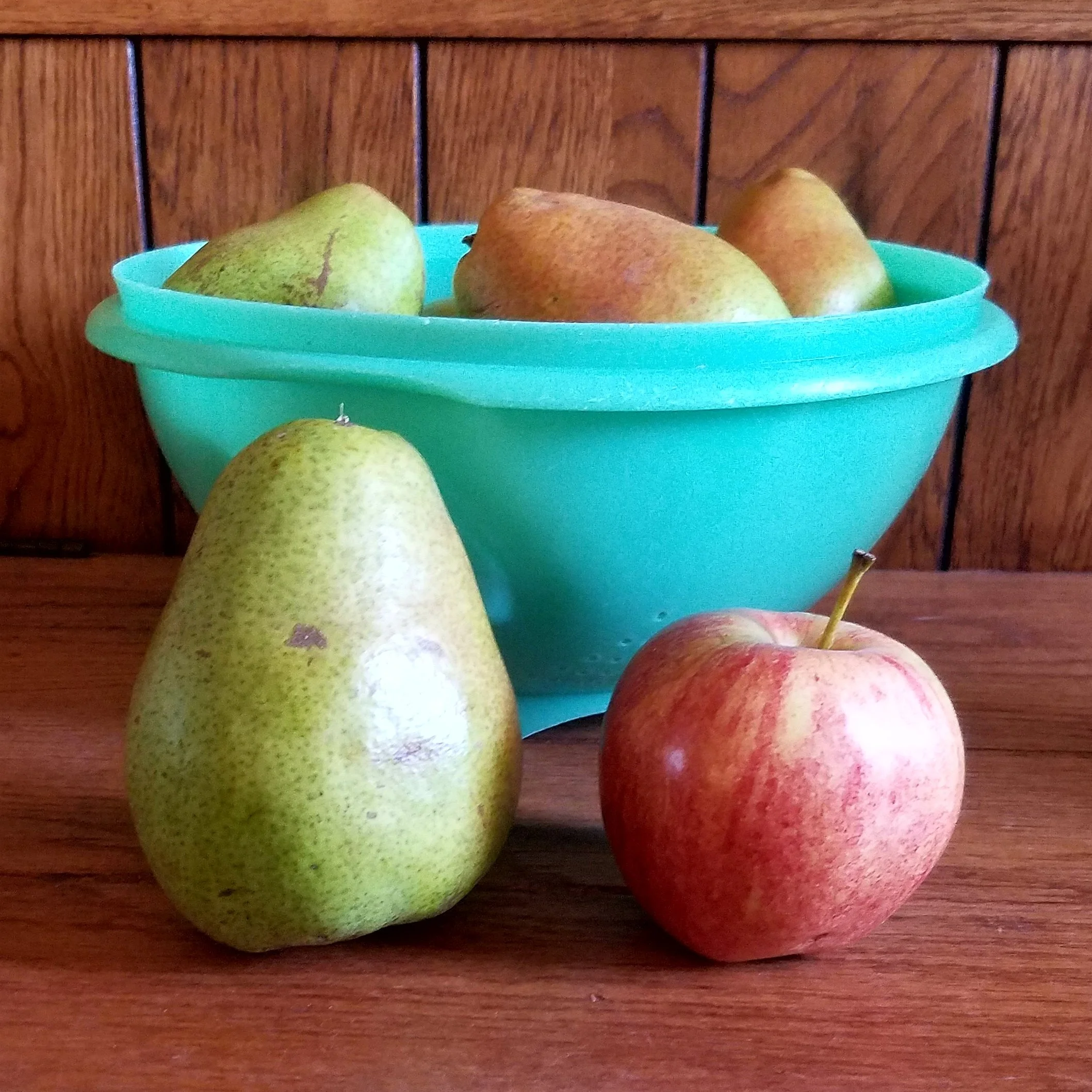
BioSoil Formula was applied to the soil around pear and apple trees prior to the growing season to support active soil biology and nutrient availability. The results were noticeably stronger fruit and one of the most abundant harvests the producer has experienced. The large colander shown here reflects the size of the fruit. Strengthening soil biology before the season began made a measurable difference in overall production.
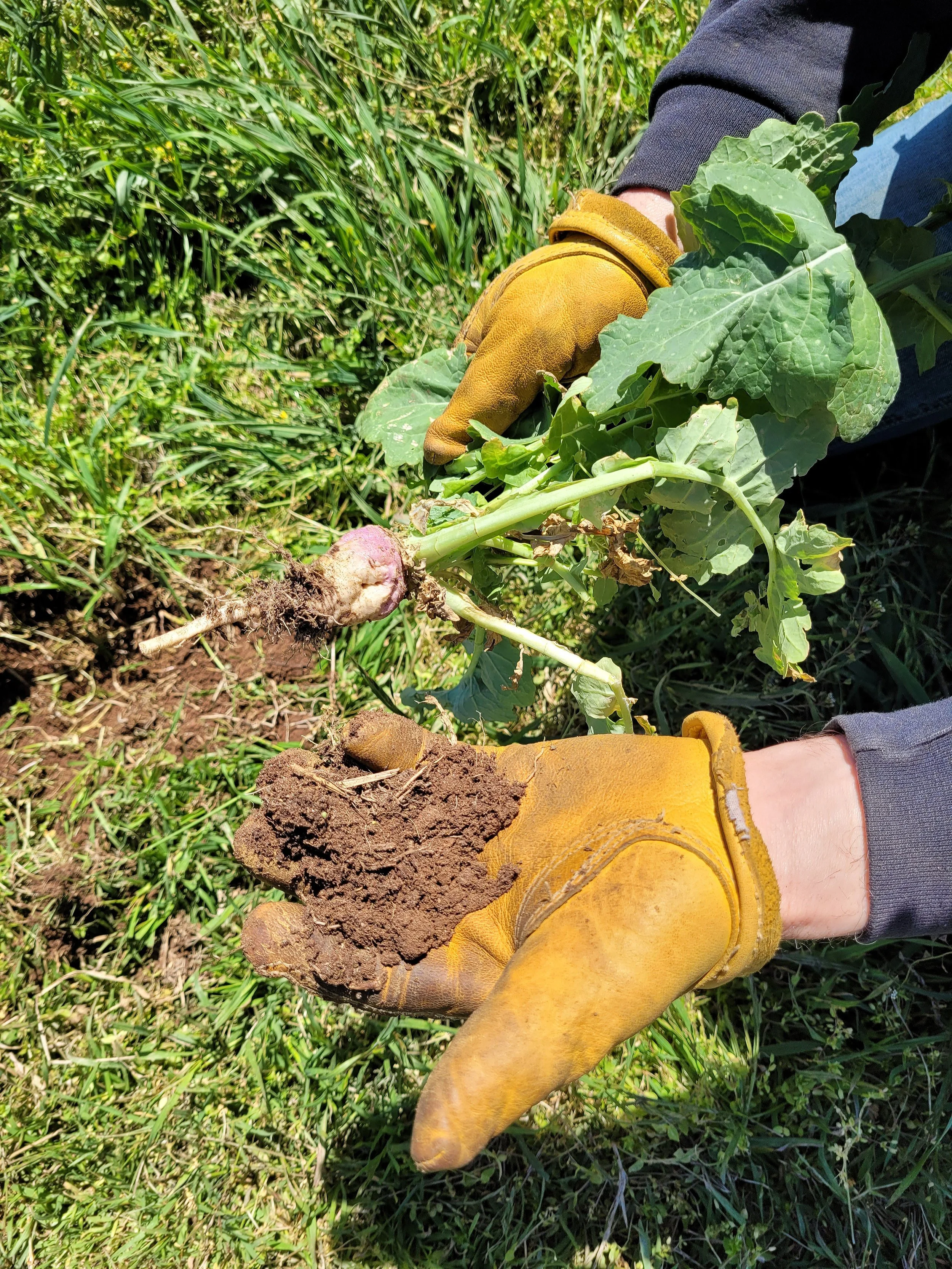
After bringing yearling cattle home from the sale barn, we incorporate Balancer2 into their water to help support digestive stability during the transition period. Shipping, commingling, and ration changes can place significant stress on young cattle, and maintaining rumen balance during that time is critical. Since implementing Balancer2, we have experienced fewer health setbacks, significantly reduced the need to doctor animals, and seen a substantial decrease in veterinary and antibiotic expenses. Supporting microbial balance during high-stress transitions has become an important part of our herd management strategy.
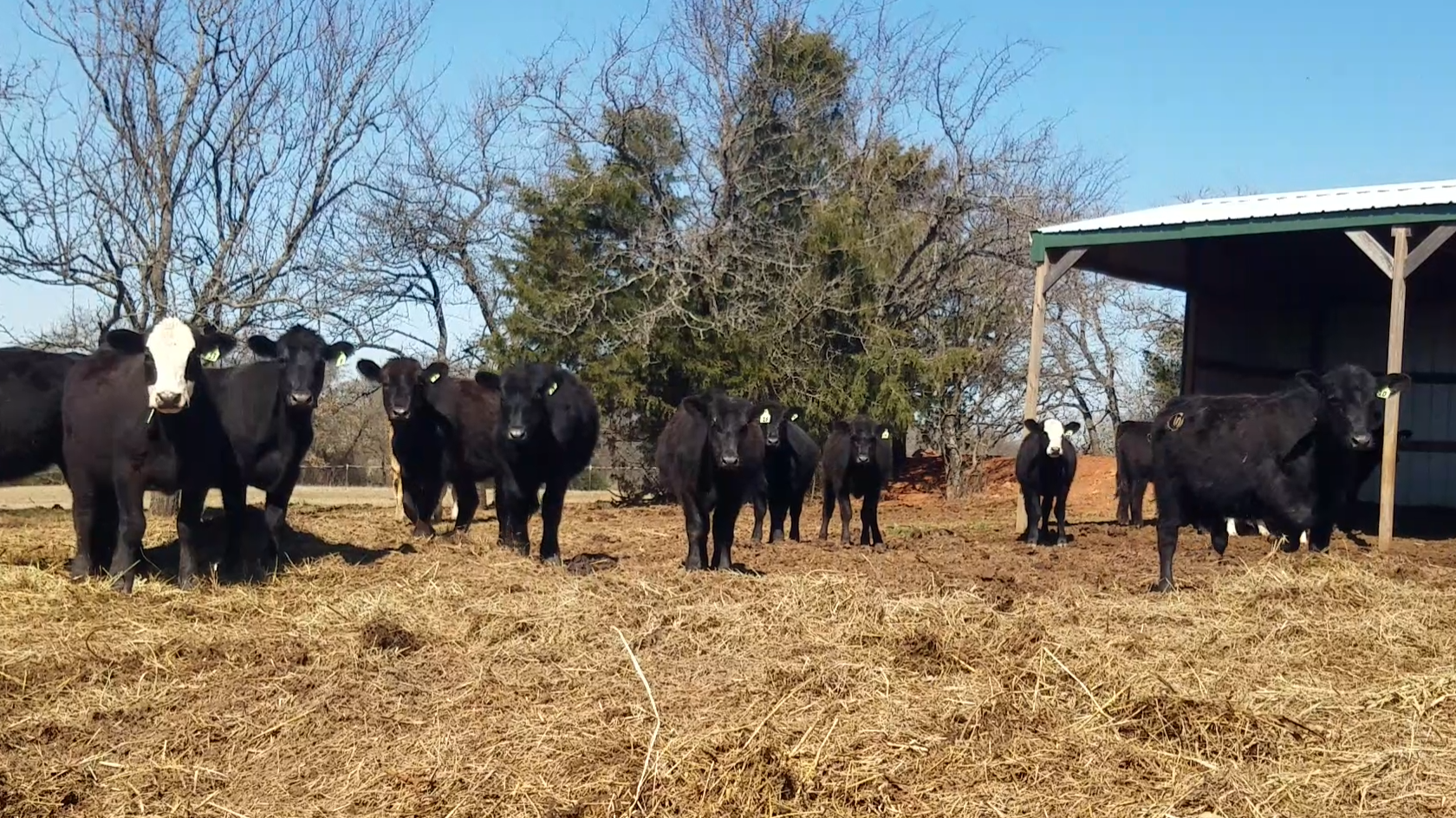
This radish was planted last fall in a cattle pasture as part of a soil aeration and regeneration program. Prior to planting, the SoilCare Formula was applied to the field to support active soil biology and root development. Despite experiencing winter temperatures as low as -20°F along with snow cover, these plants not only survived but continued growing. Now in mid-April, the radishes remain healthy and vigorous. Strengthening soil biology before planting appears to have supported root resilience and plant endurance under extreme weather conditions.
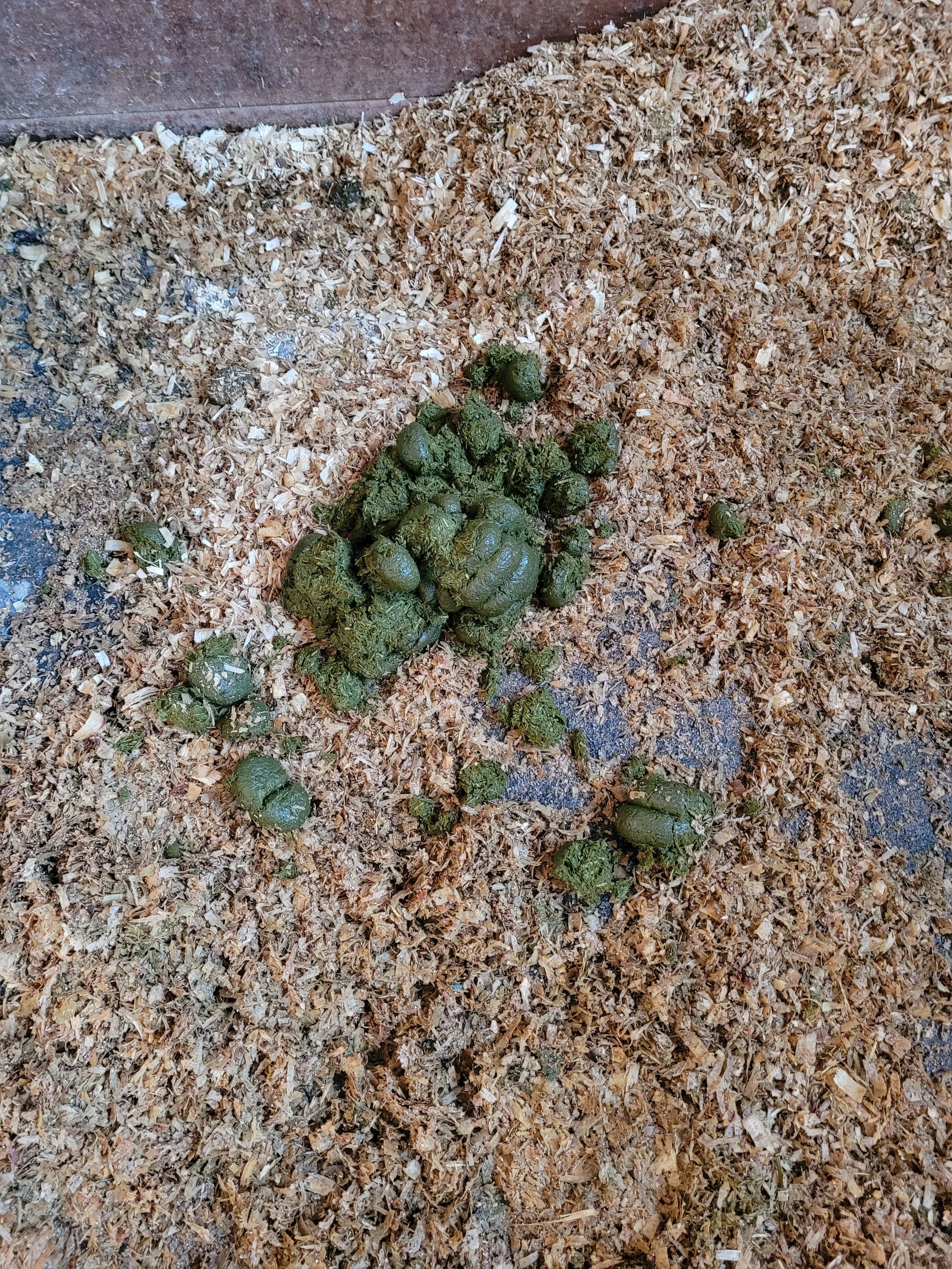
A client began incorporating Balancer2 Formula into her horse’s daily feed after her veterinarian had diagnosed several digestive issues, including ulcers and colitis. Although the prescribed treatment plan was followed, the horse continued to experience inconsistent manure and digestive instability. After adding Balancer2 to the feeding program, she observed a return to normal manure consistency within one month! The horse’s overall condition improved noticeably, and digestive stability has been maintained since. Balancer2 is now used as part of the horse’s daily feeding routine to support ongoing gut balance.
In another case, a horse experiencing chronic loose manure consistent with fecal water syndrome began receiving Balancer2 on his daily feed. In a short amount of time, his manure consistency normalized, and the owner continues to use Balancer2 as part of a regular digestive support program.
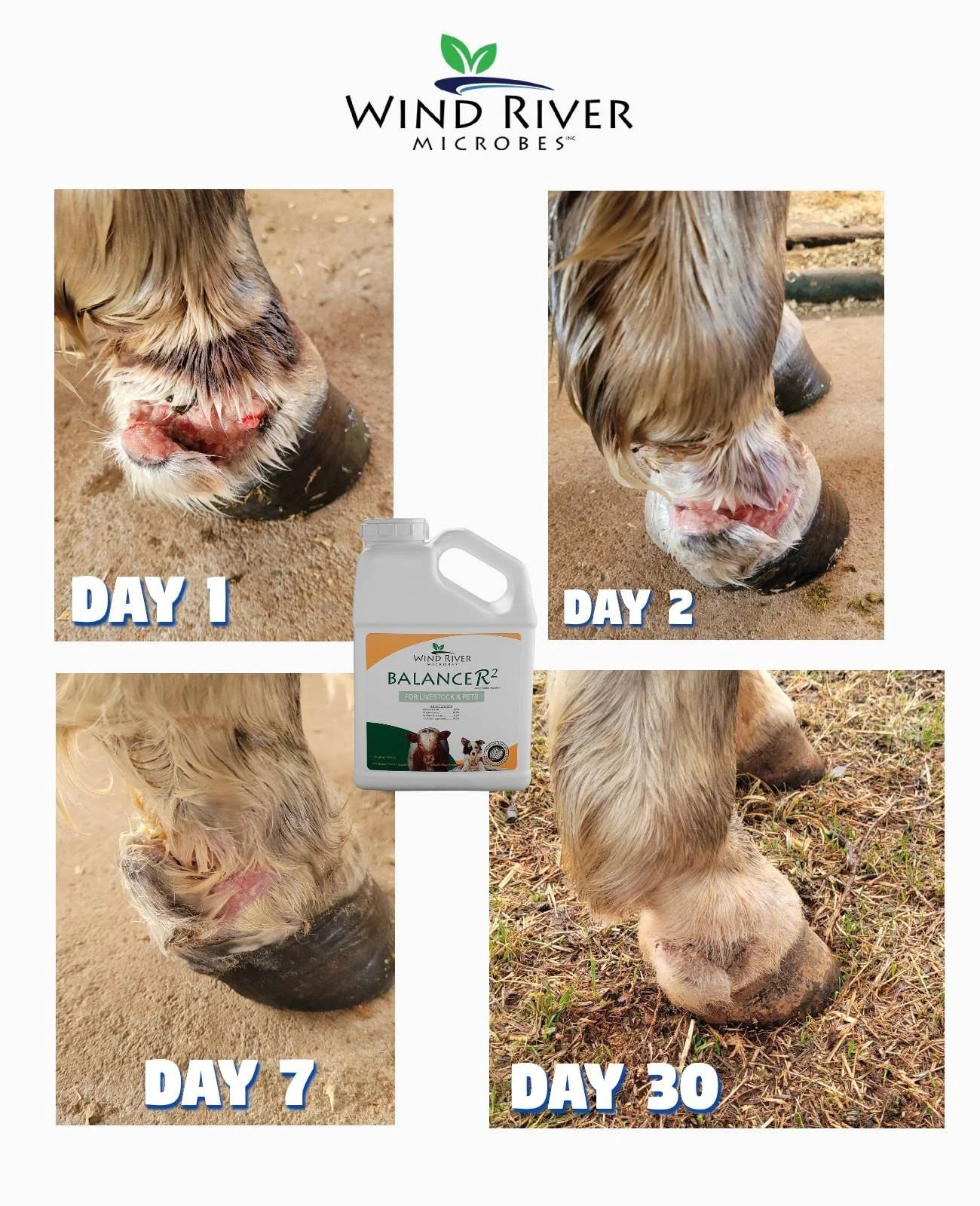
These photos document the progression of a wound on a horses pastern from day one through day thirty. Balancer2 Formula was applied daily to the affected area and the wound was properly wrapped and managed throughout the recovery process. Over the 30-day period, the tissue showed steady improvement with clean granulation and no proud flesh formation. The area progressed without the need for harsh topical chemicals, and consistent daily application supported a smooth and controlled recovery.
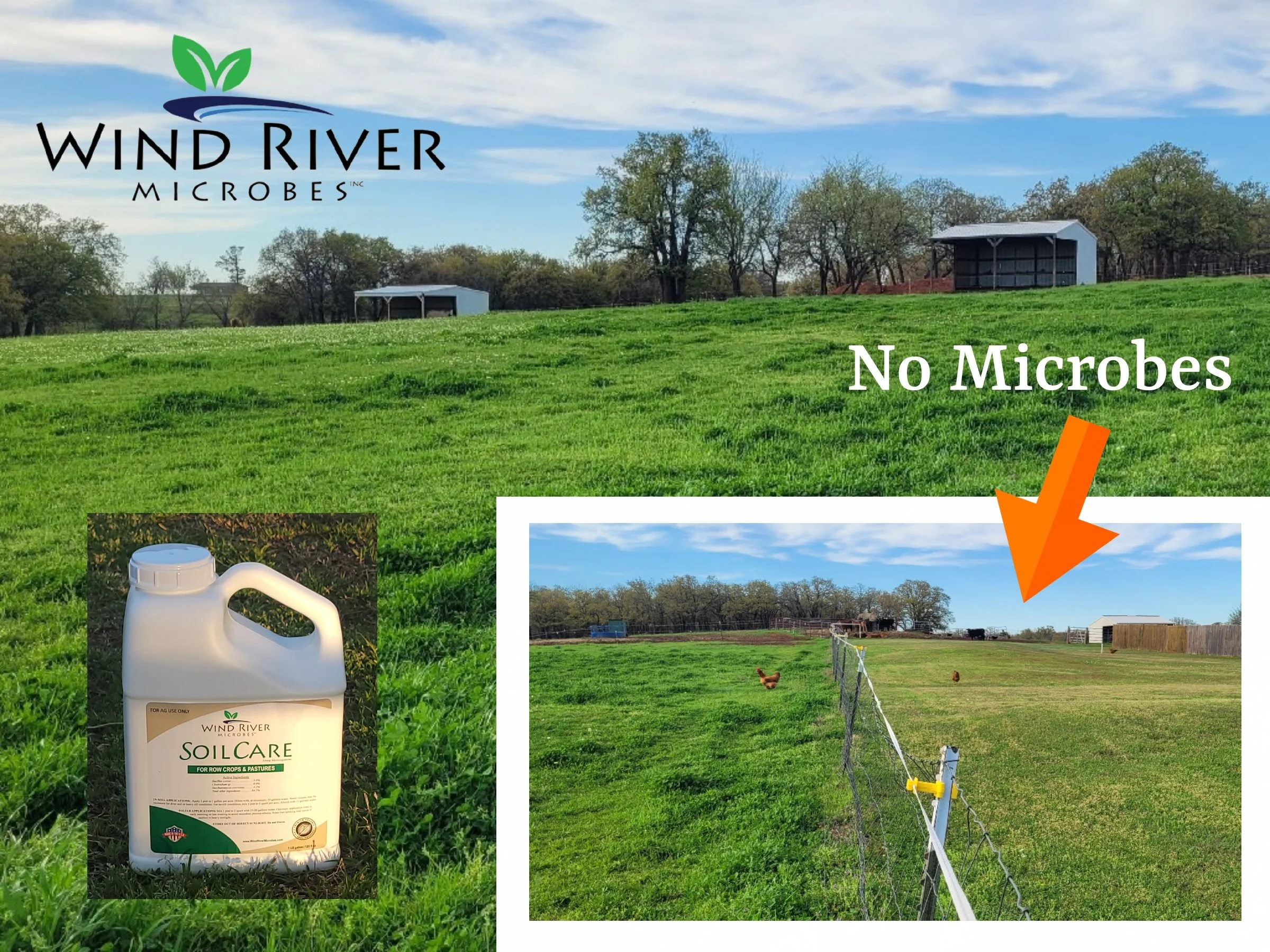
This side-by-side pasture comparison highlights the difference observed after applying SoilCare Formula to the pasture on the left, while the pasture on the right received no biological treatment. Both areas share similar soil type and environmental conditions, yet the treated side demonstrated noticeably thicker forage growth, improved color, and greater overall density. Supporting active soil biology appears to have enhanced nutrient cycling and root development, resulting in stronger pasture performance compared to the untreated ground.
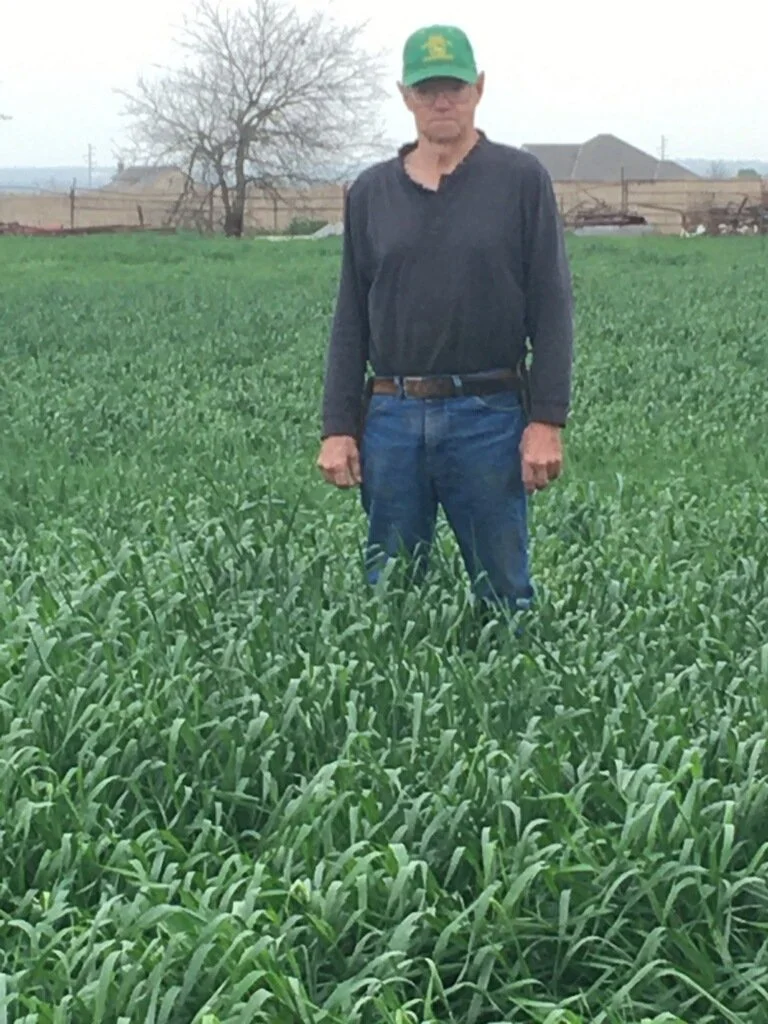
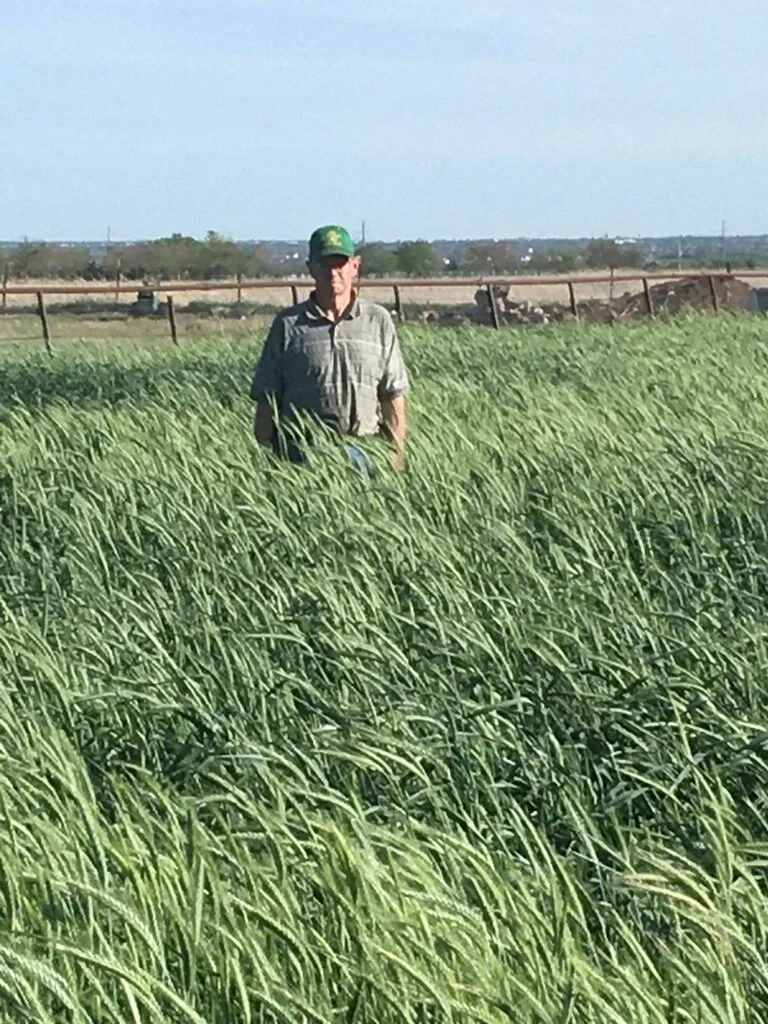
These two photos were taken approximately two weeks apart following an application of SoilCare Formula before he planted rye grass with a no till drill. In the first image, forage height was at knee level. Within two weeks, the second image shows the stand reaching above waist height under the same growing conditions. Supporting active soil biology prior to planting appears to have enhanced early root development and nutrient availability, contributing to rapid, vigorous forage growth.

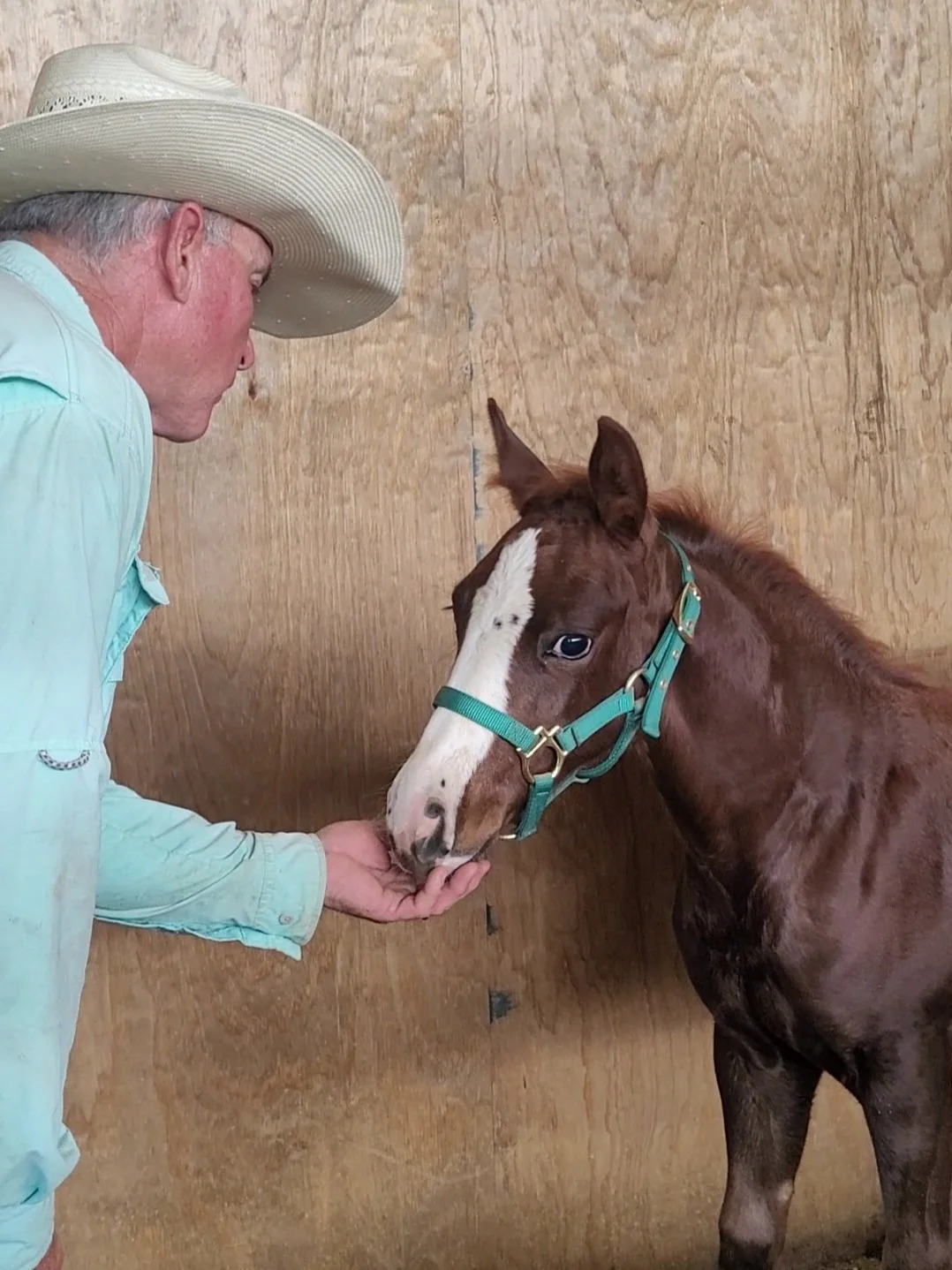
In our equine breeding program, ReBoot Formula is incorporated as part of our foaling and early-life management protocol. We begin adding ReBoot to the mare’s feed several weeks prior to foaling to support digestive balance and overall microbial stability during the stress of late gestation. At birth, ReBoot may be applied topically to the umbilical area as part of our standard hygiene routine, and we administer 100cc orally to the foal on day two to support early gut colonization.
Supporting microbial balance during this critical window can help encourage strong digestive function, consistent manure, appetite development, and overall early-life vigor. Breeders often use ReBoot as part of a comprehensive program to promote resilience, stability during environmental transition, and a strong start for growing foals.
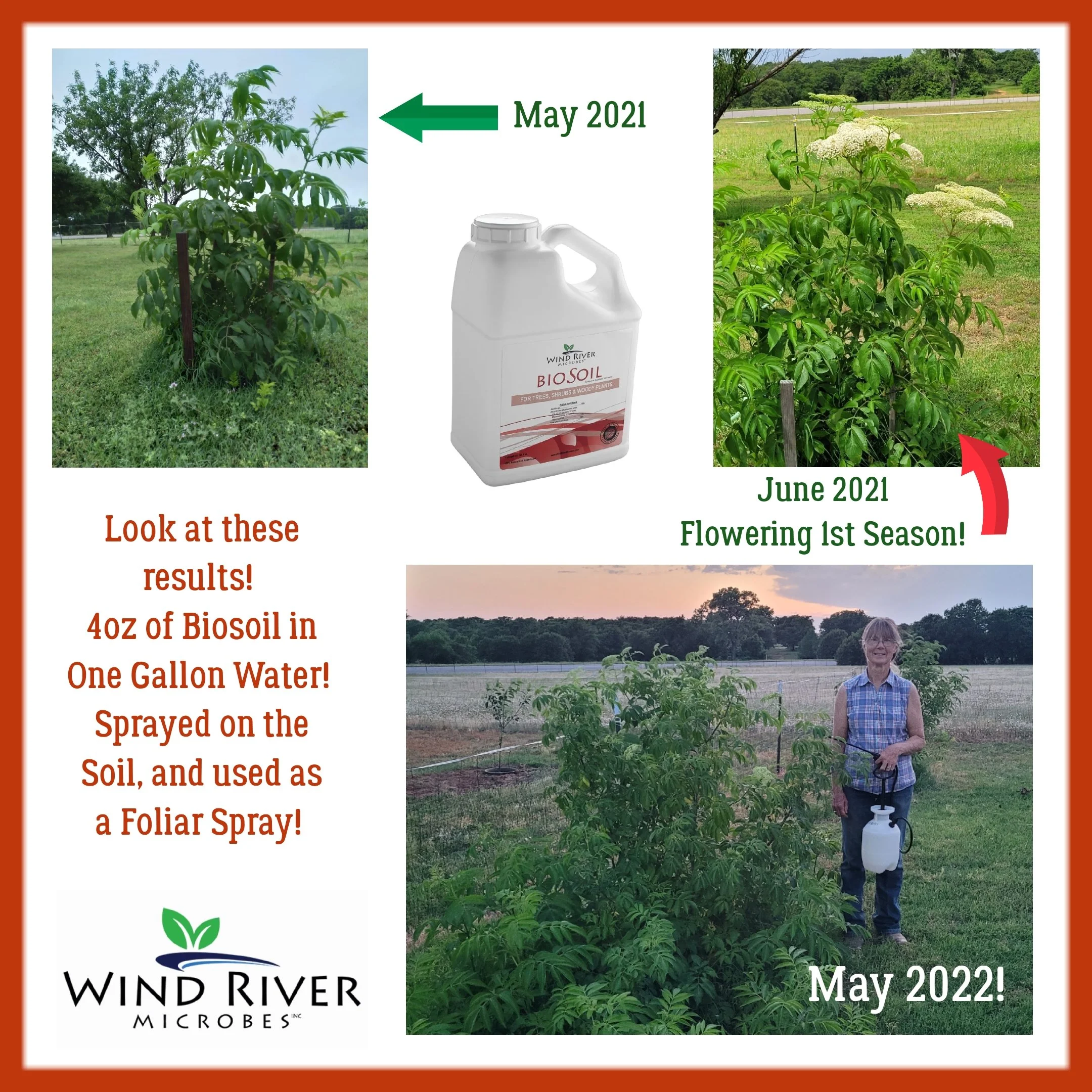
This elderberry plant received an application of BioSoil Formula to the soil during its first growing season. Throughout the season, the plant demonstrated incredible vegetative growth and established more quickly than expected. In addition to substantial size increase, the plant produced flowers during its first year — an outcome not typically observed at this stage of development. Supporting active soil biology appears to have enhanced root establishment and nutrient availability, contributing to accelerated growth.